Delroy Lindo speaks out on BAFTA incident at NAACP Awards
[ad_1]
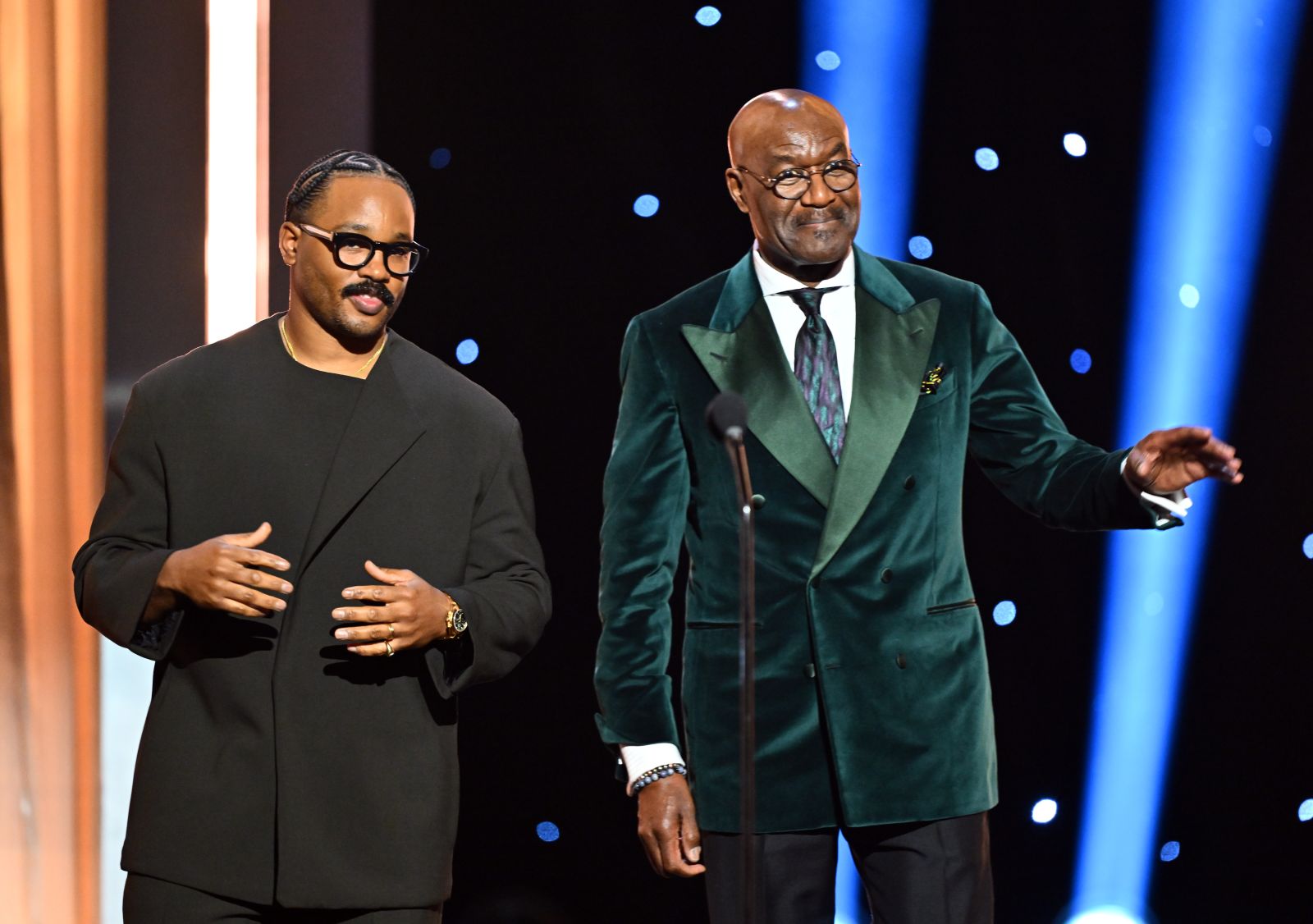
Actor Delroy Lindo publicly addressed the controversial incident at the 2026 BAFTAs for the first time Saturday during his appearance at the NAACP Image Awards, thanking supporters for their response in the aftermath of the episode.
“Before we start, I’d just like to officially say, we appreciate — I appreciate — we appreciate all the support and the love that we have been shown in the aftermath of what happened last weekend. It means a lot to us,” Lindo said alongside Sinners director Ryan Coogler.
The Context
The incident has sparked a national conversation about the intersection of disability, race, and media responsibility.
During the 2026 BAFTA ceremony, John Davidson — a Tourette’s advocate and subject of the documentary I Swear — involuntarily directed the N-word at Lindo and his Sinners co-star Michael B. Jordan while they were onstage. The BBC, which aired the ceremony on a two-hour delay, later acknowledged the moment should not have been broadcast and subsequently removed the ceremony from its iPlayer streaming platform.
The fallout drew political scrutiny. Conservative Party leader Kemi Badenoch called it “a horrible mistake,” questioning why the language was not bleeped before broadcast.
As Sinners production designer Hannah Beachler framed it, it was an “almost impossible” situation — one in which two difficult truths collided simultaneously: the deep and undeniable pain attached to the slur, and the involuntary nature of Tourette’s syndrome as a neurological condition.
What To Know
Tourette’s syndrome is a neurological condition characterized by involuntary movements and sounds called tics, which can include, in some cases, involuntary swearing — a symptom known as coprolalia. Tics are not intentional and cannot simply be suppressed at will, particularly in high-pressure environments.
BAFTA host Alan Cumming addressed the situation in the room during the ceremony, explaining to the audience that the language was an involuntary symptom of Tourette’s. He noted that an announcement had been made in advance of the recording warning attendees that Davidson’s tics were involuntary.
Beachler, who was present, said she heard Davidson say the N-word three times — including once directed at her and once at another Black woman. She criticized the BBC’s on-air apology as a “throwaway” for its use of the phrase “if you were offended.”
“Of course we were offended,” Beachler wrote. “But our frequency, our spiritual vibration is tuned to a higher level than what happened. I am not [steel], this did not bounce off of me, but I exist above it.”
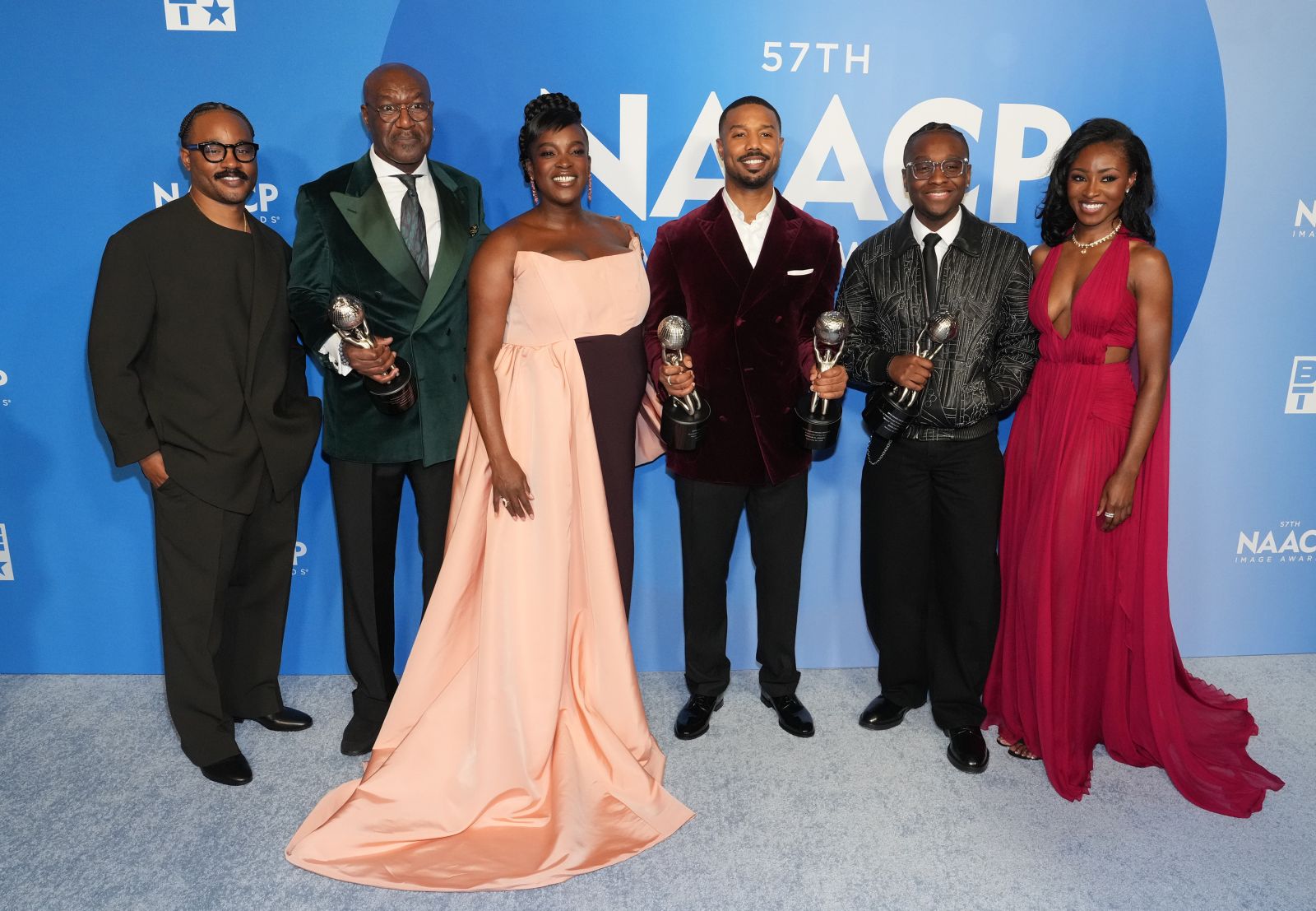
The NAACP Image Awards also acknowledged the controversy directly.
Host Deon Cole quipped at the top of the broadcast — noting it was the last day of Black History Month — “Lord, if there are any white men out there with Tourette’s, I advise you to tell them to read the room tonight.”
Actress Regina Hall, presenting the first award of the evening, paused to honor both Jordan and Lindo: “I’d like to take a moment to thank the two kings who are in this audience and just send you so much love for your class.”
What People Are Saying
Delroy Lindo, NAACP Image Awards: “It is an honor to be here amongst our people this evening. It’s a classic case of something that could be very negative becoming very positive.”
John Davidson, Tourette’s Advocate, in part: “I am, and always have been deeply mortified if anyone considers my involuntary tics to be intentional or to carry any meaning. I chose to leave the auditorium early into the ceremony as I was aware of the distress my tics were causing.”
Robert Aramayo, Actor (I Swear): “They’re tics, he is ticking, and we have to understand that the way we perceive Tourette’s is a joint responsibility. It’s not shouting obscenities, it’s not being abusive, it’s Tourette’s.”
Hannah Beachler, Production Designer: “I understand and deeply know why this is an impossible situation. I know we must handle this with grace and continue to push through.”
What Happens Next
In an internal memo shared on February 25, BBC chief content officer Kate Phillips acknowledged the error directly:
“I’m so sorry that a racial slur was not edited out of our broadcast. We understand how distressing this was,” she wrote, adding that a different racial slur had been successfully removed from the broadcast. “This one was aired in error, and we would never have knowingly allowed this to be broadcast.”
[ad_2]
Source link